
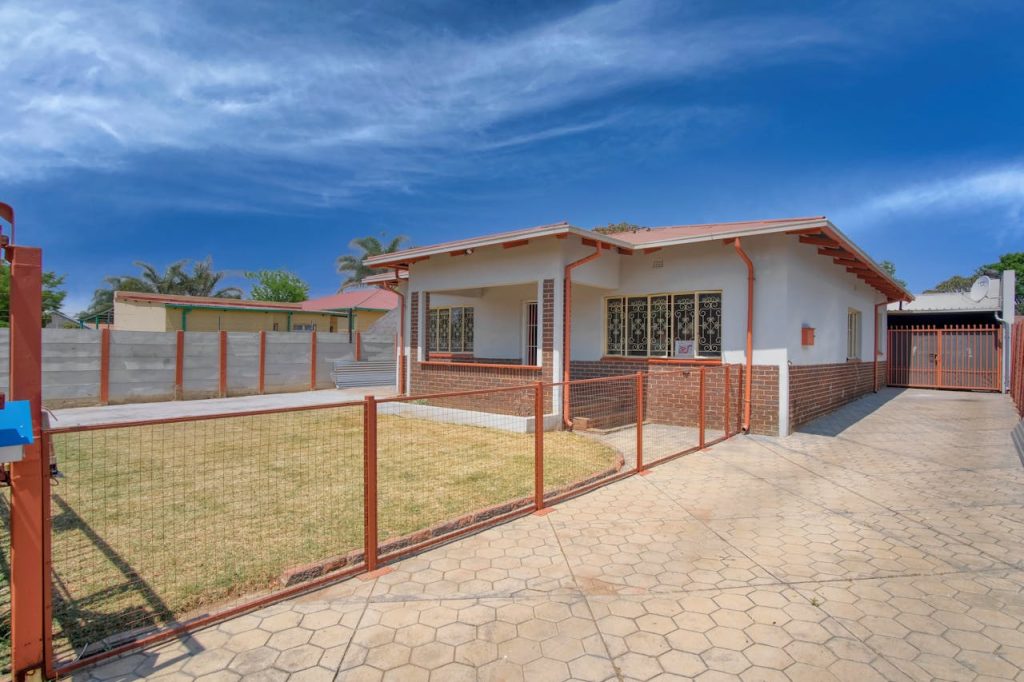
Subdivision 101: What Every Adelaide Property Owner Should Know
Are you ready to unlock more value from your property? Whether you’re weighing up your next investment, eyeing off a potential purchase, or wondering what to do with your current home, subdivision could be the opportunity you’ve been looking for.
WHAT IS PROPERTY SUBDIVISION?
Property subdivision is splitting one large block of land into two or more plots. It’s often done on older, larger plots to modernise and generate more liveable space. As populations rise in cities, subdivision becomes far more common and even necessary.
WHY SHOULD I CONSIDER SUBDIVIDING MY PROPERTY?
There are a few good reasons to consider subdividing your property. For one, it dramatically increases the value of your land, sometimes even doubling what you can sell it for. It also makes it much more appealing to buyers, as smaller plots are far easier to generate interest in. Subdivision can be an excellent option for your property in either a solid or weak sellers’ market.
In addition to being a sound financial decision, subdivision can be a moral choice for your neighbourhood and city. Splitting a large plot of land into more easily manageable blocks will create more liveable space for residents or small businesses.
TYPES OF SUBDIVISIONS IN SOUTH AUSTRALIA.
If you’re thinking about subdividing your property, it’s important to understand the different types available.
The structure you choose will affect ownership, responsibilities, and costs.
Torrens Title (Most Common & Simplest)
Torrens Title is the most straightforward type of subdivision. Your land is divided into separate titles, and each owner has full ownership of their own block.
There’s no shared property to worry about, which means fewer ongoing responsibilities. The only exception is easements—such as SA Water having access to underground pipes.
Community Title
A Community Title divides land into individual lots plus shared areas like driveways, car parks, or bin areas.
All owners are part of a Community Corporation, which is responsible for maintaining and insuring these shared spaces. This type is commonly used for townhouses or grouped developments.
Strata Community Title
Strata Title usually applies to multi-level buildings or commercial properties. Instead of owning the land, you typically own a section of the building (like an apartment or office).
The Community Corporation manages and insures the building and any shared areas.
Choosing the right type of subdivision depends on your property, your plans, and how much responsibility you want for shared spaces. If you’re unsure, getting professional advice early can save you time and money.
Thinking About Subdividing? Here’s what to consider:
Subdividing your property can be a great opportunity—but it’s not always simple. The process can be time-consuming, costly, and sometimes complex, so it’s important to go in well-informed.
Before you get started, here are some key things to consider:
- Your land title: The type of title your property is registered under should align with your subdivision plans. Choosing the right structure early can save you complications later.
- Caveats on the property: If there are any caveats (legal interests) on your property, those parties will need to approve and co-sign your subdivision application.
- Easements: Easements—like access for utilities—can impact how your land can be divided. Understanding these restrictions upfront is essential.
- The property market: Subdivision involves a significant financial investment. Make sure you understand current market conditions and whether the numbers stack up long-term.
- Council regulations: Local councils have their own rules and priorities. In some cases, they may restrict subdivisions to preserve neighbourhood character or block sizes.
- Heritage considerations: If your property is heritage-listed, there may be additional limitations on what you can and can’t do.
Taking the time to assess these factors early can help you avoid costly surprises and make smarter decisions about your subdivision project.
How Do I Get My Subdivision Approved?
With so many factors involved, subdividing land can quickly become overwhelming. Understanding the risks, costs, and requirements isn’t always straightforward—which is why working with an experienced conveyancer is so important.
A qualified conveyancer can guide you through the entire process, helping you make informed decisions from the start.
If you decide to move forward, they’ll take care of the heavy lifting—handling everything from liaising with your local council and the Lands Titles Office, to coordinating with surveyors and ensuring all application paperwork is completed correctly. It’s expert support that saves you time, stress, and costly mistakes.
Who Can Help with Your Adelaide Subdivision?
At Beltana Conveyancing, we specialise in helping South Australians navigate the subdivision process with confidence. Our approach is tailored to your unique situation, ensuring you receive advice and support that fits your goals.
With over 40 years of experience in the Adelaide property industry, we understand that no two projects are the same. Our priority is to make your subdivision journey as smooth and straightforward as possible.
If you’re considering subdividing your property and want expert guidance, get in touch—we’re here to help.